There is a reason the homeschool morning basket has become one of the most beloved rhythms in gentle education. In just twenty or thirty unhurried minutes, it gathers the whole family together to read, sing, pray, and wonder — before a single worksheet appears. It sets the tone for the entire day, and for many families it becomes the part of homeschooling their children remember most warmly.
If you have been wondering exactly what to put in a morning basket — and how to keep it simple enough to actually do every day — this guide walks you through it, with a free printable checklist to help you begin.
What is a morning basket?
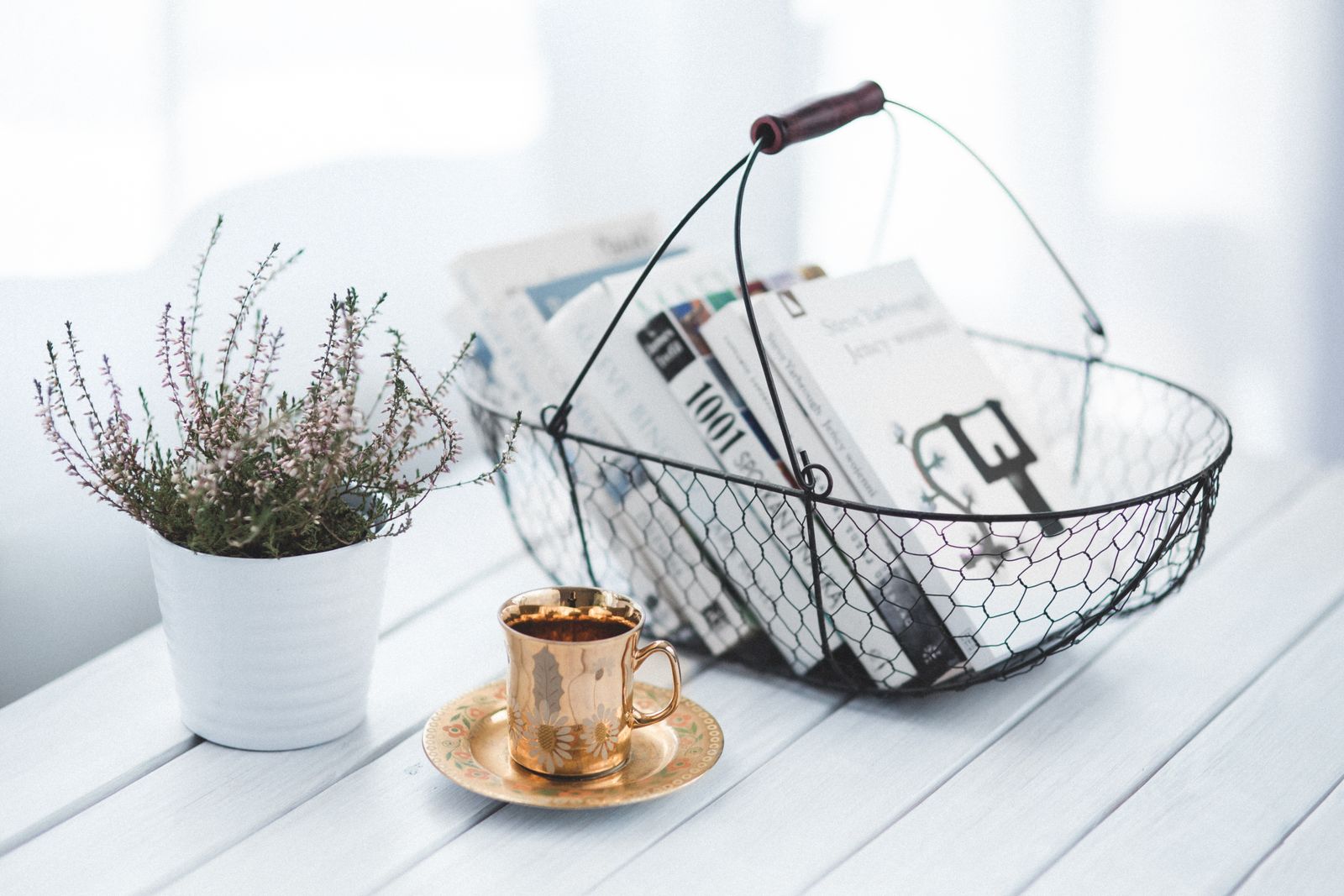
A morning basket (sometimes called "morning time") is a short, shared gathering at the start of the school day. Everyone comes together — every age, all at once — around a basket of good books and simple materials. Rather than dividing children by grade, morning time draws them into the same beautiful things: a Bible passage, a hymn, a poem, a picture to study, a story read aloud. It is togetherness before tasks, and it is one of the simplest ways to begin your day with connection instead of chaos.
What to include in your homeschool morning basket
The beauty of the morning basket is that it flexes to your family. You do not need everything on this list — choose a handful your children love and let the rest wait. A gentle, repeatable basket beats an ambitious one you abandon by week two.
1. Bible reading & prayer
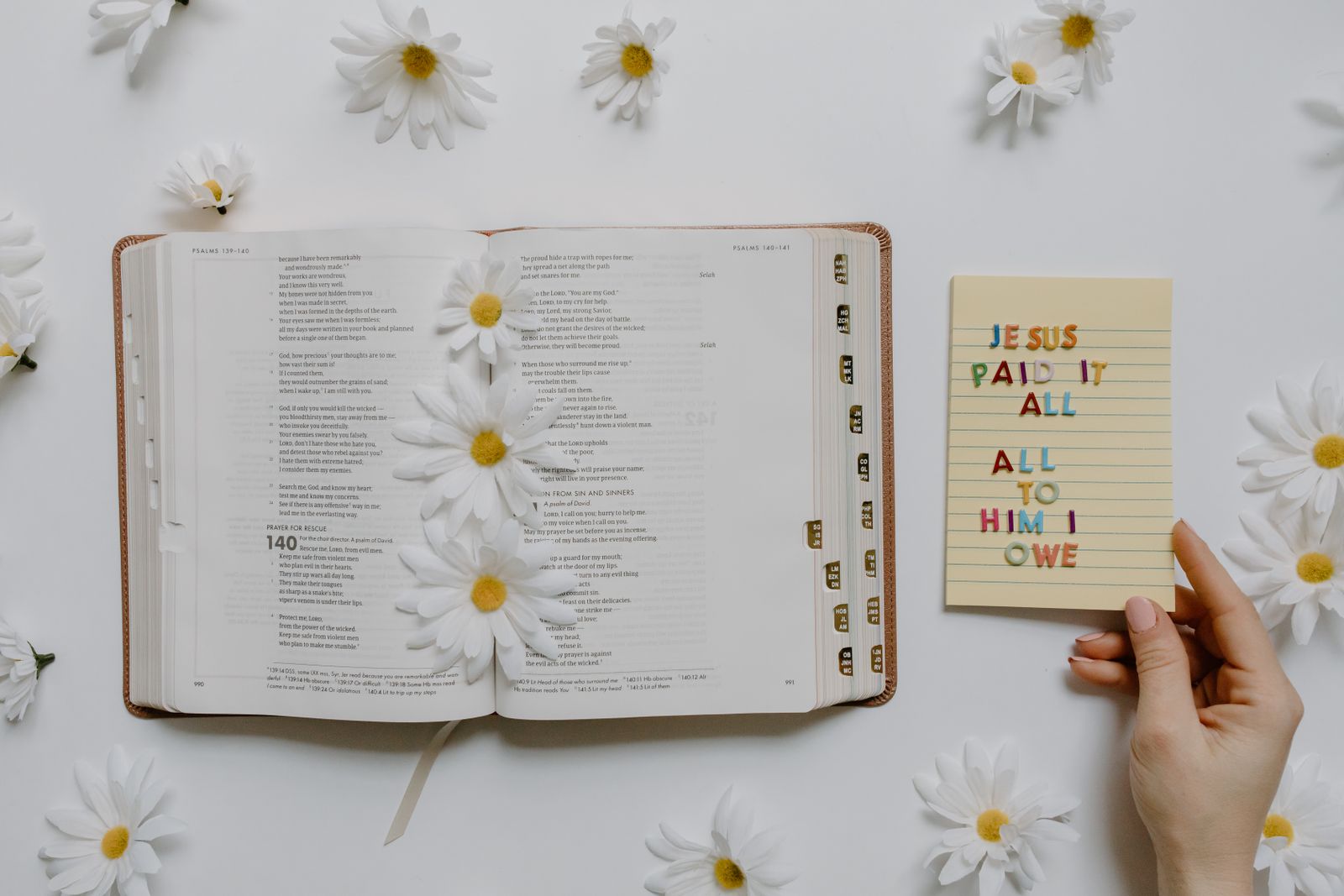
Many Christian homeschool families begin here: a short passage, a simple prayer, and perhaps a memory verse for the week. It roots the day in faith before anything else.
2. A hymn or folk song
Singing together wakes up the whole family and builds a treasury of songs your children will carry for life. Rotate one hymn and one folk song per month so they truly learn them.
3. A poem
Read one short poem aloud — no analysis required. Poetry read regularly and without pressure grows a child's ear for language more than any grammar drill.
4. A living book read-aloud
Choose a beautifully written story and read a chapter or two. Living books — the kind written by an author who loves the subject — are the backbone of a gentle education. A gentle classic like The Tale of Peter Rabbit is a lovely place to begin with younger children, and comes with a complete book study and activities if you want to extend the story into the week.

The Tale of Peter Rabbit Bundle
A complete, literature-rich study of Beatrix Potter's beloved classic — book study, 100+ activities, and copywork for ages 4 to 12. A perfect first read-aloud for your morning basket.
See the Peter Rabbit Bundle →5. Picture study or composer study
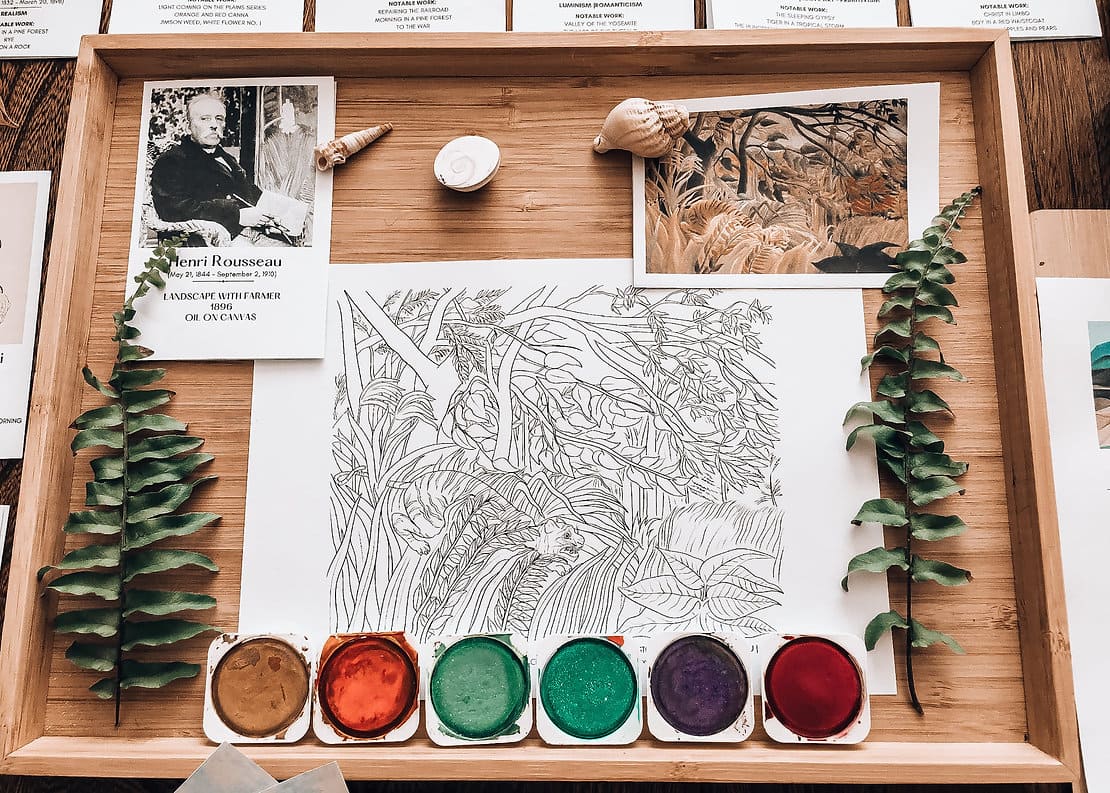
Once or twice a week, look closely at a single work of art, or listen to a piece of music and learn a little about the person who created it. This is one of the most enriching — and easiest — parts of morning time. Our Swan Lake composer study, for example, turns a Tchaikovsky listening session into a hands-on afternoon your children will ask to repeat.

Swan Lake Composer Study & Puppet Theater
Bring Tchaikovsky's Swan Lake to life with a complete composer study, ballet vocabulary, and a printable puppet theater — gentle fine-arts learning for ages 4 to 14.
See the Swan Lake study →6. Something to memorize
A scripture, a poem, or a short passage. Recite it together for a few minutes each day and watch it take root by month's end.
7. A calendar & weather moment (for little ones)
Young children love a short calendar and weather ritual — the day, the season, a note about what they see out the window. It grounds them and gives even the smallest child a role in morning time.
How to run morning time without the wrestling

The families who keep morning time going are the ones who keep it short and low-pressure. A few gentle principles help:
- Keep it under 30 minutes. A short, joyful basket you finish beats a long one that fizzles.
- Give restless hands something to do. Coloring pages, playdough, or a quiet handicraft help wiggly children listen better, not worse.
- Let it be imperfect. Some mornings you will read one poem and call it done. That still counts.
- Anchor it to a habit. Right after breakfast, with a candle lit or a favorite blanket out, signals "morning time has begun."
Where morning time fits in your day
Morning basket is the gentle opening of a Charlotte Mason day, right before focused lessons begin. If you are still shaping your overall routine, our Charlotte Mason homeschool schedule guide shows exactly where morning time sits in a full daily rhythm — and how to keep the whole day short and peaceful.
Building your basket for the year
Half the joy of morning time is having lovely things ready to reach for. Rather than hunting for a new poem or read-aloud each week, many families build a small stack of seasonal studies and printables to rotate through the year. Our Annual Printable Library Pass gives you a full library of Charlotte Mason–inspired read-alouds, composer and artist studies, poetry, and copywork to keep your basket full all year long — so mornings stay simple and rich at once.

Annual Printable Library Pass
Keep your morning basket full all year. Get access to 300+ read-alouds, composer and artist studies, poetry, and copywork in one simple pass.
Explore the Library Pass →Frequently asked questions
What should be in a homeschool morning basket?
A typical morning basket includes a Bible reading and prayer, a hymn or folk song, a poem, a living-book read-aloud, and a rotating enrichment like picture study or composer study. Younger children may also enjoy a short calendar and weather ritual. Choose a few your family loves rather than trying to include everything.
How long should morning time last?
Most families keep morning time to 20 to 30 minutes. Shorter is better than longer — a brief, joyful gathering you can repeat every day is far more valuable than an ambitious one that is hard to sustain.
What ages is a morning basket for?
Morning time is designed to include every age at once, from toddlers to teens. Younger children benefit from the songs, poems, and calendar time, while older children go deeper with the read-alouds and memory work. Handicrafts or coloring keep little hands busy so everyone can listen.
How do I keep young children engaged during morning time?
Give restless children something quiet to do with their hands — coloring pages, playdough, or a simple handicraft. Keep the basket short, sing often, and let little ones have a small role, like turning the calendar or choosing the hymn.
Start tomorrow morning: print the free checklist above, pull three or four good things into a basket, and simply begin. Your calmest, most connected homeschool days start right here.