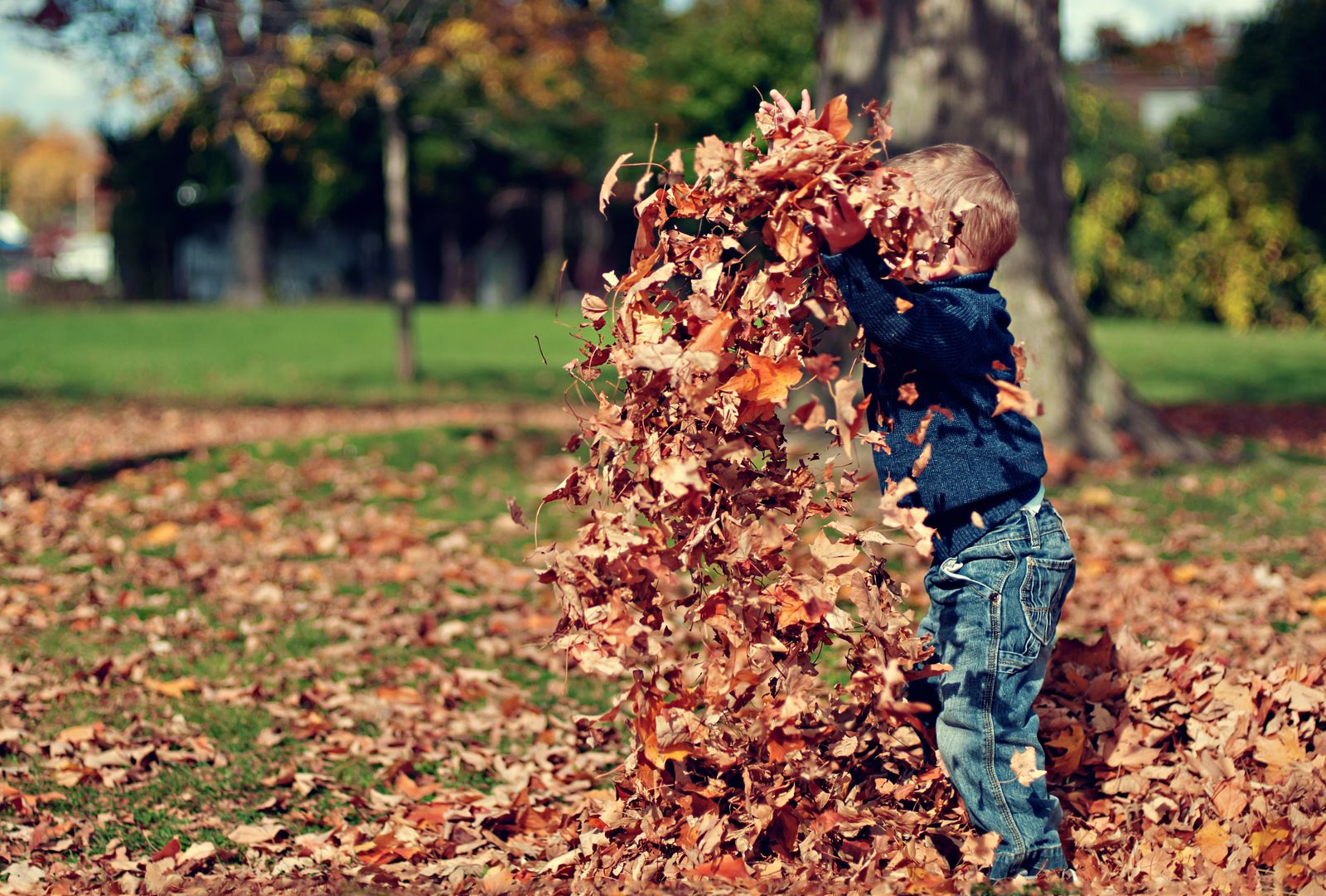
Autumn may be the loveliest season for nature study. The air turns crisp, the leaves put on their yearly display, seeds scatter on the wind, and the whole outdoors invites your children to look closer. A fall nature study asks so little of you as a parent — a walk, a notebook, a few good questions — and gives so much back in wonder, attention, and quiet learning.
Below are twenty simple autumn nature study activities for children, gentle enough for preschoolers and rich enough for older students, plus a free printable to make it easy to begin this week.
Why fall is perfect for nature study
In the Charlotte Mason tradition, nature study is not a subject to squeeze in — it is a habit of noticing the living world, built one unhurried walk at a time. Fall makes that habit almost effortless. Change is everywhere and easy to observe: color, falling leaves, gathering birds, ripening seeds and fruit. Children who might overlook a green summer tree will stop in their tracks for a scarlet maple leaf. Autumn does the teaching for you; your job is simply to go outside and look.
20 fall nature study activities for children
Leaves & trees
- Take a leaf-color walk and gather one leaf of every color you can find. Sort them from green to gold to deep red back at home.
- Make leaf rubbings with paper and the side of a crayon to capture the veins and shape.
- Press autumn leaves between heavy books and use them later for a nature journal or a window display.
- Identify three trees on your street by their leaves and bark, and visit them again through the season.
- Ask "why do leaves change color?" and let older children discover the role of chlorophyll and the shorter days.
Seeds & harvest
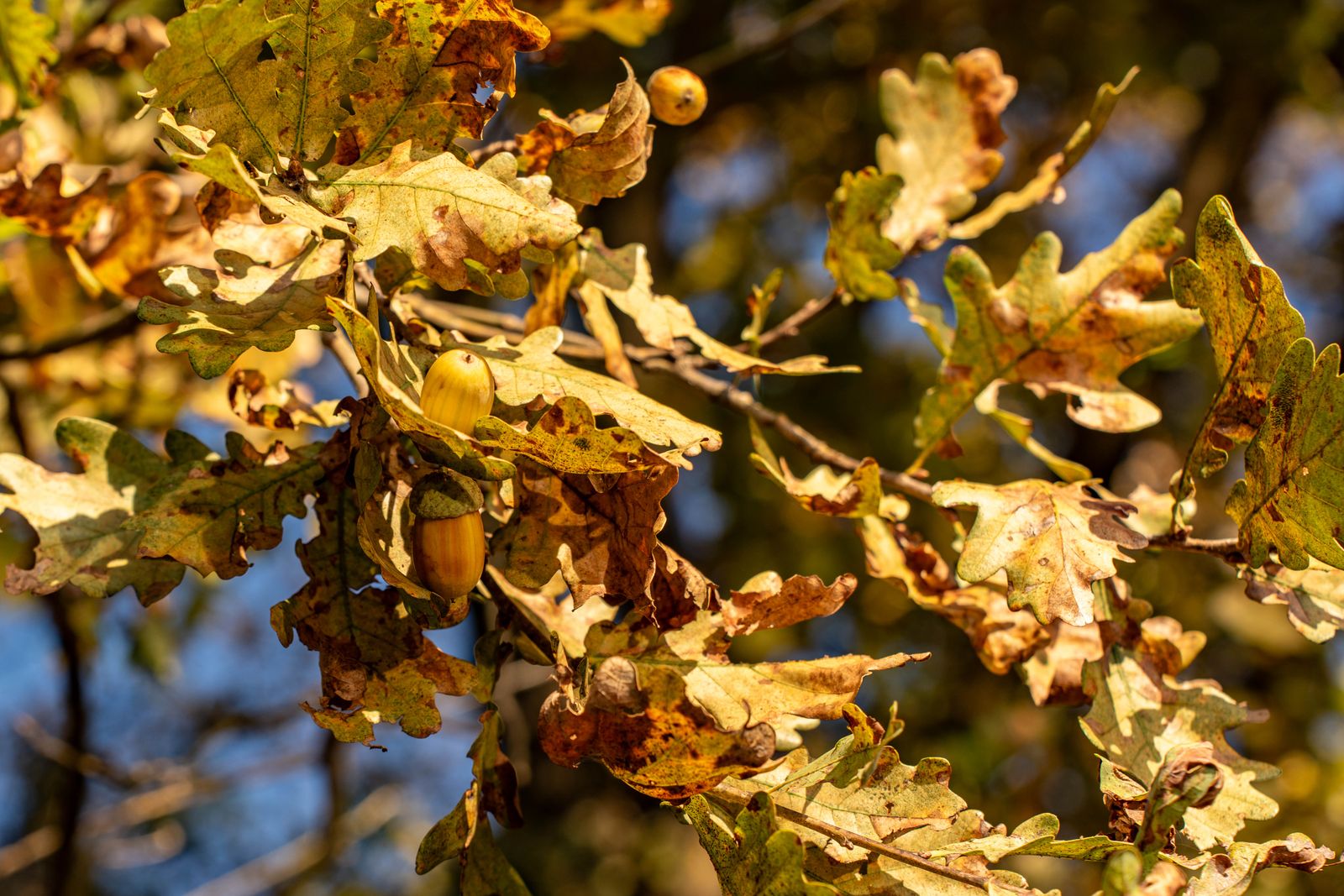
- Go on a seed hunt and collect as many kinds as you can — acorns, maple keys, burrs, milkweed pods.
- Sort seeds by how they travel: wind, water, or hitching a ride on fur and socks.
- Open a pumpkin or apple and count, dry, and save the seeds.
- Plant an acorn or seed in a pot to watch over the winter.
- Visit a local orchard or farm and observe what is being harvested and why now.
Animals & sky
- Watch for migrating birds and note which ones are leaving and which stay for winter.
- Look for squirrels gathering and talk about how animals prepare for the cold.
- Study a spider web heavy with morning dew — autumn mornings are full of them.
- Notice the earlier sunset and keep a simple sunrise/sunset log for the month.
- Listen for the quiet — how the sounds of the outdoors change as the season turns.
Cozy indoor extensions
- Keep a fall nature journal with a drawing and a sentence from each walk.
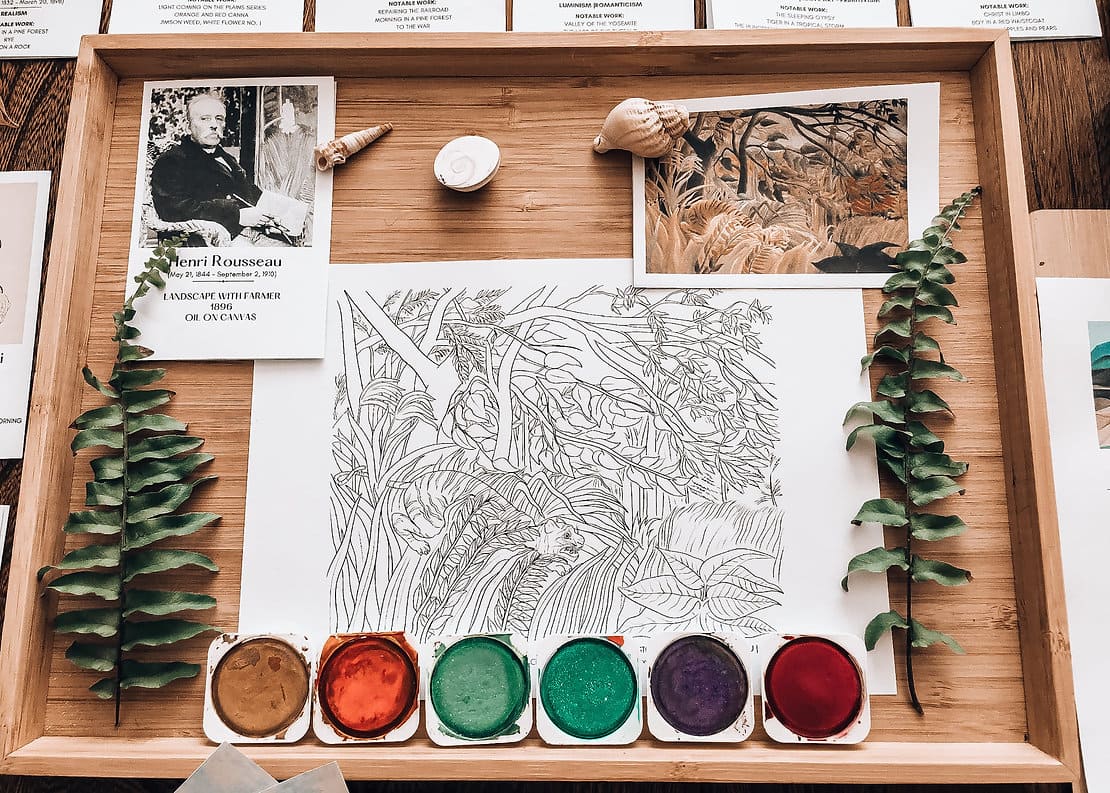
- Paint with autumn colors mixed to match the leaves you found.
- Read a living book about the season and the changing year.
- Bake with a seasonal fruit and talk about where apples and pumpkins come from.
- Make a nature table by the window and refresh it each week with new finds.
How to keep a fall nature journal
A nature journal turns a pleasant walk into lasting learning, and it could not be simpler. After each outing, give your child a few quiet minutes to draw one thing they saw and write (or dictate) a sentence about it. There is no wrong way to do it — a wobbly acorn and three misspelled words are exactly right. Over a season, the pages fill with your child's own record of autumn, in their own hand. It becomes a keepsake you will treasure long after the leaves have fallen.
New to journaling with children? Our guide on how to press flowers with children pairs beautifully with fall pressing and gives you a gentle first project.
Extend the season into real learning
Fall nature study naturally opens the door to science, art, and writing. If your children get curious about how seeds grow or why trees drop their leaves, our post on teaching plant life cycles to children takes the next gentle step. And when spring returns, our spring nature study guide continues the rhythm with a fresh season of hands-on ideas.
For families who love these seasonal studies and want them ready to print all year, our Annual Printable Library Pass includes nature journals, seasonal unit studies, and hands-on activities for every season — so your nature table always has something new to explore.

Annual Printable Library Pass
Nature journals, seasonal unit studies, and hands-on activities for every season — 300+ printables in one pass, so your nature table always has something new.
Explore the Library Pass →Little ones will especially love our Little Earth Keepers coloring pages for cozy afternoons indoors.

Little Earth Keepers — 10 Coloring Pages
Ten joyful coloring pages for children ages 3 to 8 who love the earth and want to help care for it — a gentle, cozy companion to your autumn nature study.
See the coloring pages →Frequently asked questions
What is a fall nature study?
A fall nature study is the practice of observing seasonal changes in the natural world during autumn — leaves changing color, seeds dispersing, animals preparing for winter — usually through outdoor walks, close observation, and a simple nature journal. It is a gentle, hands-on way to teach science and build attention.
What age can children start nature study?
Children can begin nature study as toddlers. Young children simply observe, collect, and enjoy, while older children add drawing, identification, and written observations. Because it is done together outdoors, nature study naturally suits every age at once.
What do I need for a fall nature study?
Very little — comfortable shoes, a notebook or printable journal page, a pencil, and curiosity. A small bag for collecting leaves and seeds and a field guide or identification app are helpful but not required.
How often should we do nature study?
Even one short nature walk a week builds the habit beautifully. Consistency matters more than length; a regular fifteen-minute outing does more than an occasional long expedition.
Grab the free Fall Nature Journal Page above, step outside this week, and let autumn do the teaching. Wonder is the whole curriculum.